


Nylon or Oxford Backpack? A Material Selection Guide for Smart Buyers
Comparison of Nylon vs. Oxford Fabric for Backpacks
1. Weight and Structural Properties
Nylon and Oxford fabrics differ significantly in style and weight. While both provide excellent waterproofing and wear resistance, Oxford fabric is notably heavier than nylon. For users prioritizing a lightweight backpack, nylon is the ideal choice.
However, nylon's softness presents a trade-off: it enhances comfort but reduces structural rigidity, often resulting in a less defined shape. In contrast, Oxford fabric maintains a sturdier form, making it preferable for backpacks where shape retention is critical.
2. Durability and Comfort
Nylon fabric excels in wear resistance, particularly high-density variants, which offer exceptional durability. Additionally, its low water absorption (compared to other synthetic textiles) improves breathability, reducing heat and moisture buildup. This makes nylon backpacks more comfortable for extended wear, especially during travel or outdoor activities.
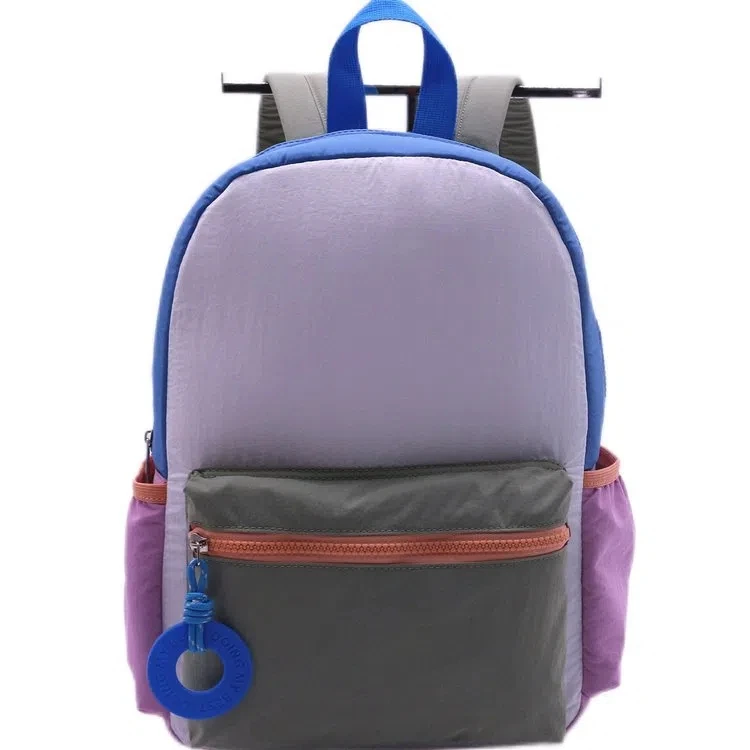
3. Limitations of Nylon
Despite its advantages, nylon's lightweight and pliable nature makes it susceptible to deformation under pressure. For applications requiring robust protection (e.g., defensive backpacks), nylon's lack of structural integrity often disqualifies it in favor of stiffer materials like Oxford fabric or reinforced composites.
Key Takeaways:
Choose nylon for lightweight, breathable, and comfortable backpacks (ideal for travel/hiking).
Choose Oxford fabric for structured, heavy-duty backpacks where shape and rigidity matter.
Avoid nylon for defensive/safety gear unless reinforced with rigid supports.
